Don't just move people.
Move them to act.
Story is a technology. Not a talent. I teach leaders and authors how it's built.

“One of the best-kept secrets in the highest demand.”
Featured in The Secret and on Oprah
Speak & Write · Houston · 2026
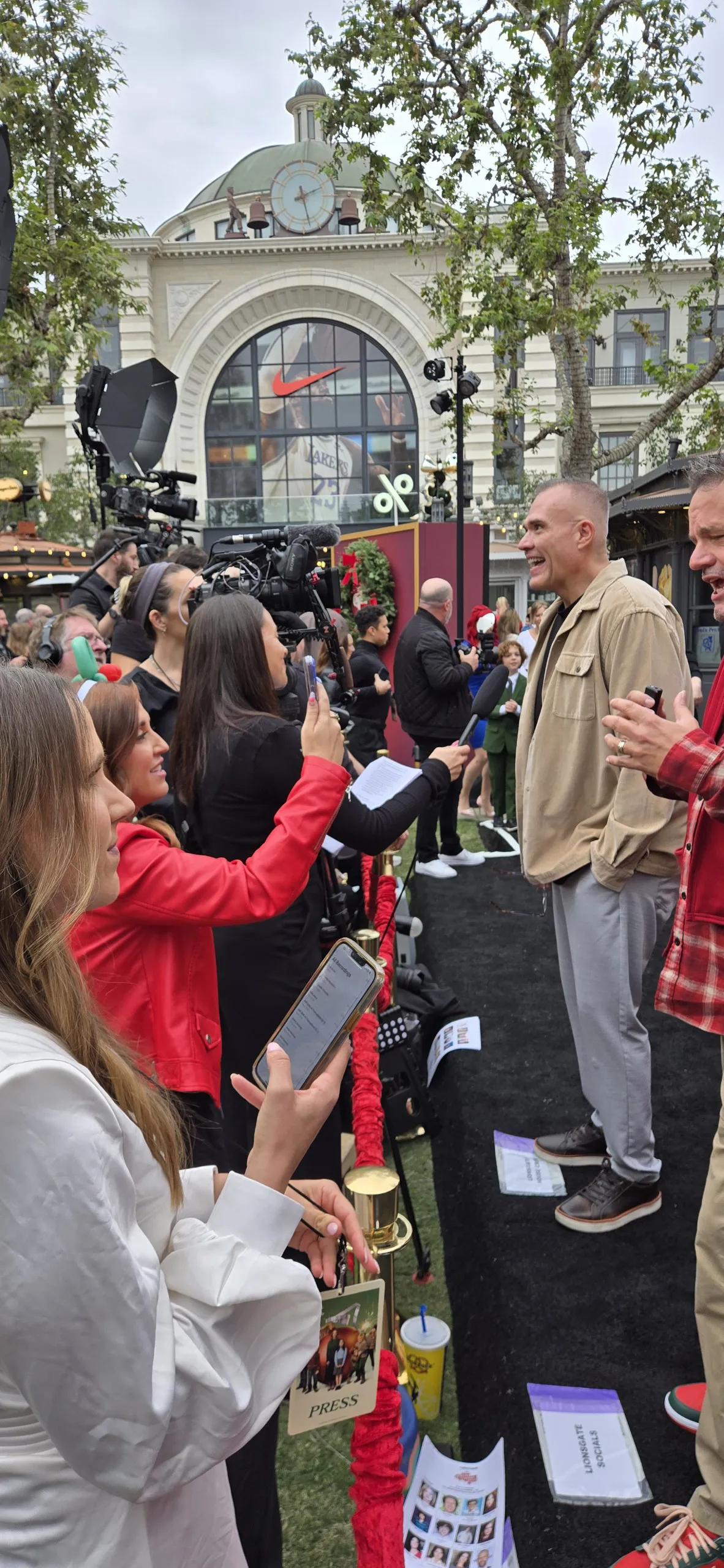
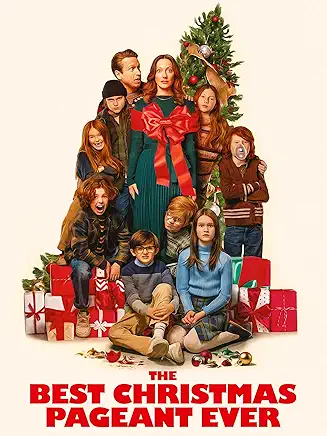
Lionsgate premiere · The Best Christmas Pageant Ever · 2024
“One of the best-kept secrets in the highest demand.”
Featured in The Secret and on Oprah
Speak & Write · Houston · 2026

“Platte didn’t just help with my ideas. He created some that fit perfectly into what I do.”
The Pressure Code · Matt Holt Books · 2026
“Platte didn’t just help with my ideas. He created some that fit perfectly into what I do.”
The Pressure Code · Matt Holt Books · 2026

“Platte really nailed it, which is no small feat ’cause I handed him a bit of chaos.”
Stupider People Have Done It launch · Park City · 2026
“Platte really nailed it, which is no small feat ’cause I handed him a bit of chaos.”
Stupider People Have Done It launch · Park City · 2026

“If you’re looking to write a book, call Platte. He’ll show you how to elevate it that much more.”
The Mind Strength Playbook · Author Unknown Podcast
“If you’re looking to write a book, call Platte. He’ll show you how to elevate it that much more.”
The Mind Strength Playbook · Author Unknown Podcast
30+
Books written or shaped
5
National bestsellers
250K+
Novels sold, Simon & Schuster
$40M
U.S. box office, Lionsgate, 2024
About
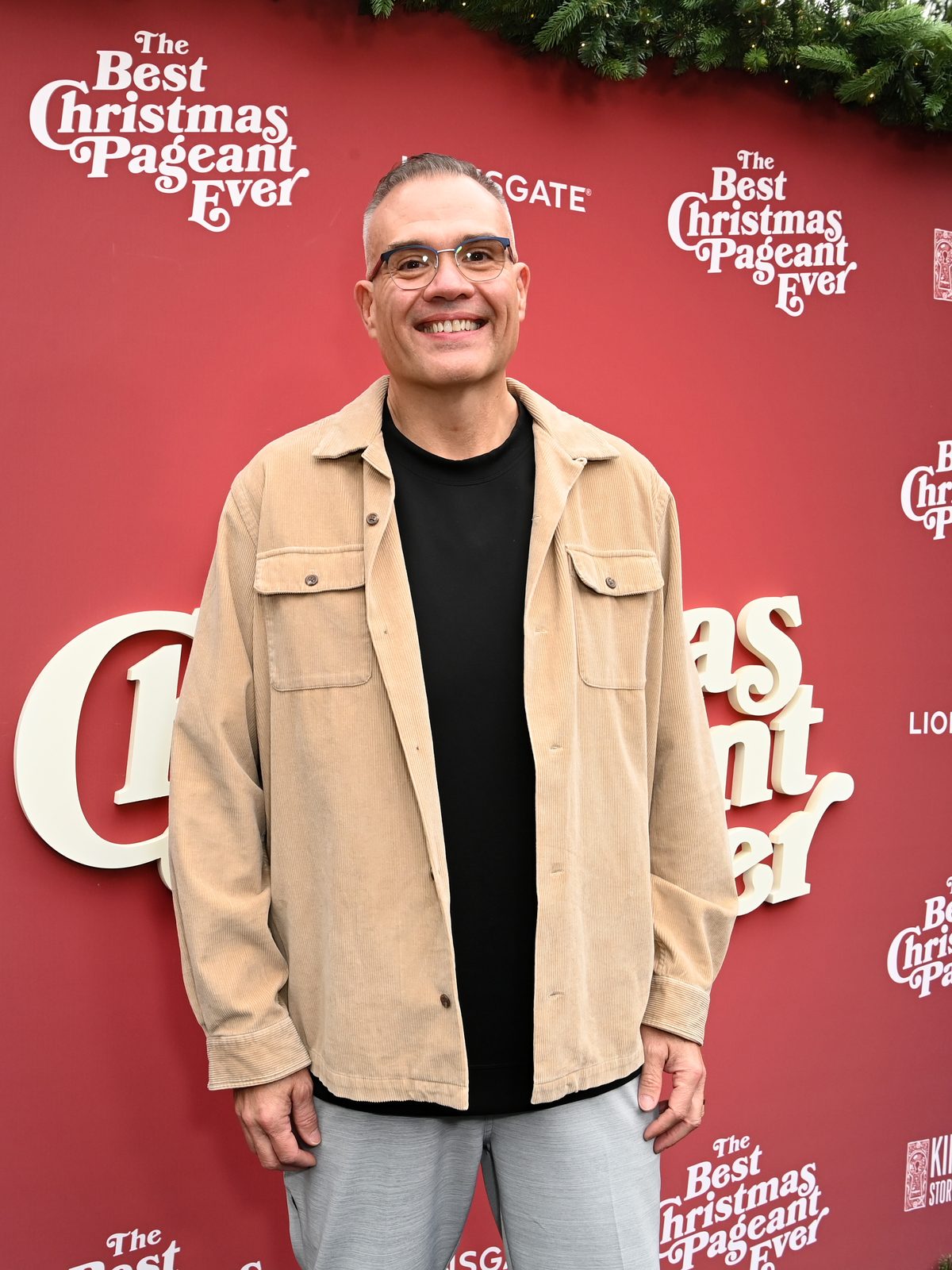
I failed creative writing in high school.
I went on to co-write Lionsgate's biggest U.S. release of 2024, sell more than 250,000 novels for Simon & Schuster, and write or shape more than thirty books for CEOs, founders, and champions, five of them national bestsellers.
I didn't get more talented. I learned how stories are built. Now I teach others what three careers taught me: how to build a story that not only informs and moves people, but spurs them to act.
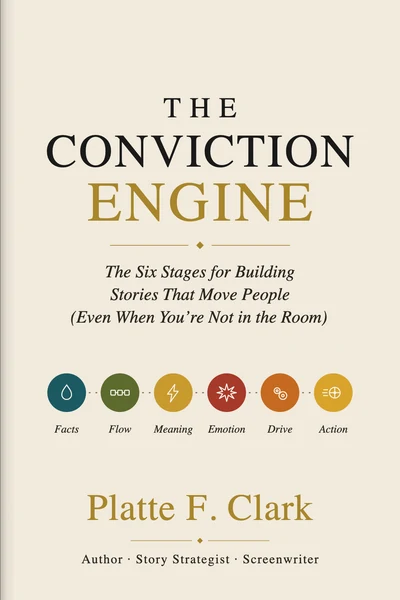
The Conviction Engine™
A story fails at one stage,
not everywhere.
Every story that moves someone to act runs the same six stages. When a story falls flat, one of them has stalled. Find the stage and you can fix the story.
-
01 · Facts
The right evidence, and no more than the story needs.
-
02 · Flow
The order and timing that make each point land.
-
03 · Meaning
Where information starts to matter: character, conflict, change, and stakes.
- Character
- Conflict
- Change
- Stakes
-
04 · Emotion
Meaning, felt. The listener finds themselves in the story.
-
05 · Drive
The belief that they can act, that it will work, and that it will matter.
-
06 · Action
The only destination.
For Leaders and Authors
Speaking and Training
Most stories inform. Some even move people. Few change what anyone does next. I teach leaders and authors why, and how to fix it.
- Recent stages
- Skillsoft Leadercamp 2026 · 4,000+ leaders registered, worldwide
- Speak & Write with Lisa Nichols · Houston, 2026
Keynote
Story Is Architecture
Why some stories change what people do and most only inform. Meaning comes from four questions: character, conflict, change, stakes. They multiply, so zero one out and the story collapses. Most workplace stories miss two of the four. Leaders leave knowing which two, and how to fix them in the vision, the pitch, and the case for the promotion.
Workshop
The Art of Storytelling
Starts where the keynote ends and goes deeper. The four questions of meaning first, then all six stages a story runs through on its way to action: facts, flow, meaning, emotion, drive, action. Hands-on from the first hour. Leaders bring a story the organization needs to land. Authors bring the book that will carry their name into the world. Everyone leaves with it rebuilt, stage by stage.
Private coaching
One high-stakes story
One-on-one, for a book, a keynote, or a presentation that carries your name. Anyone can now generate a story at the push of a button, which makes the ordinary free and the rare worth more. We work until yours is the rare one.
Start Here
Three free tools. Pick yours.
For leaders
The Engine Diagnostic
Leadership and storytelling go hand in hand: pitching a product, setting a vision, championing a team or a culture, putting meaning behind the numbers, making the case for your next promotion. Find out why your story isn't moving anyone. Four questions, five minutes, one story that matters to you.
Get the diagnosticFor authors
The Thought Leader Compass
There are many paths up the book-writing mountain, and plenty of authors pick the wrong one. Twenty questions show your primary and secondary style, and the path with your name on it.
Take the CompassFor authors with a chapter
The Conviction Engine Diagnostic
Test a finished chapter against the Conviction Engine. It reads the chapter and tells you where it's working and where it stalls.
Check your chapterAlready know what you want? Write me: platte@strawdogsdev.com
Books & Film
On the shelf. On the screen.
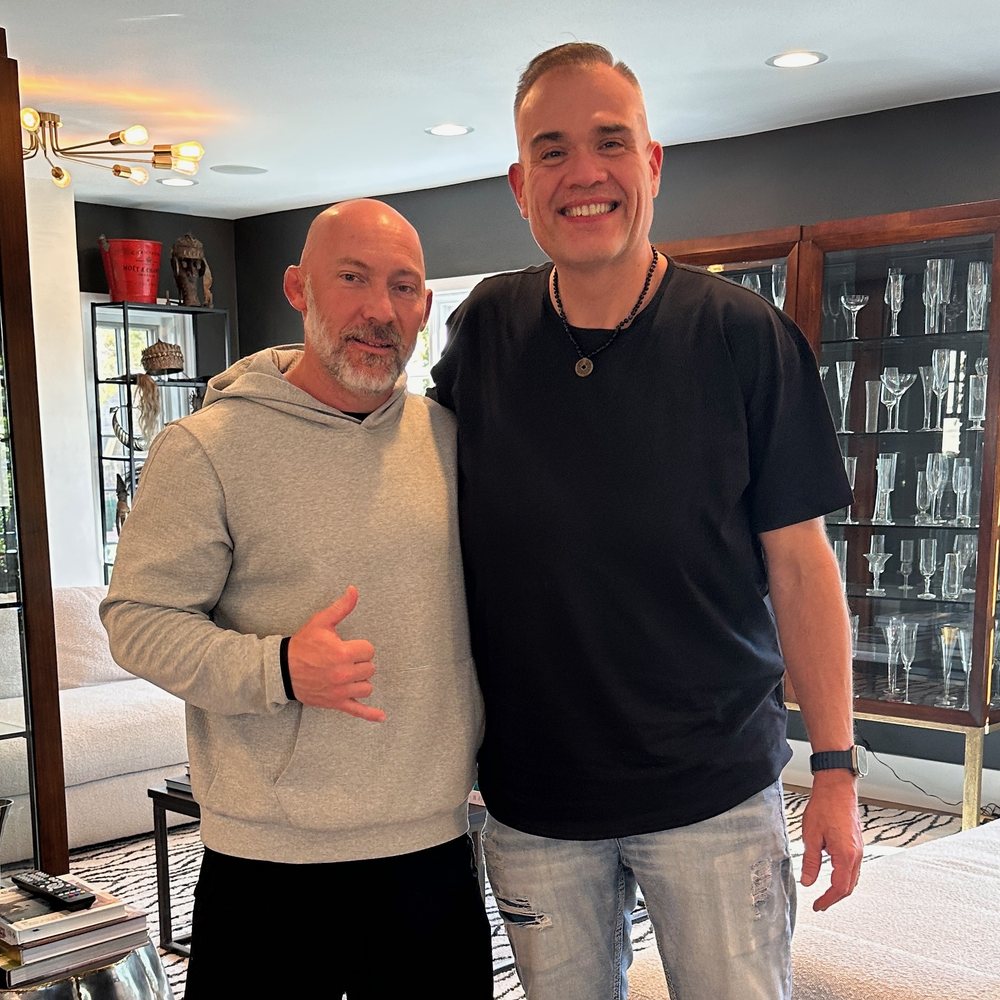
Jason Stacy
Performance coach to Aryna Sabalenka
The Pressure Code (Matt Holt Books, 2026), written with Platte
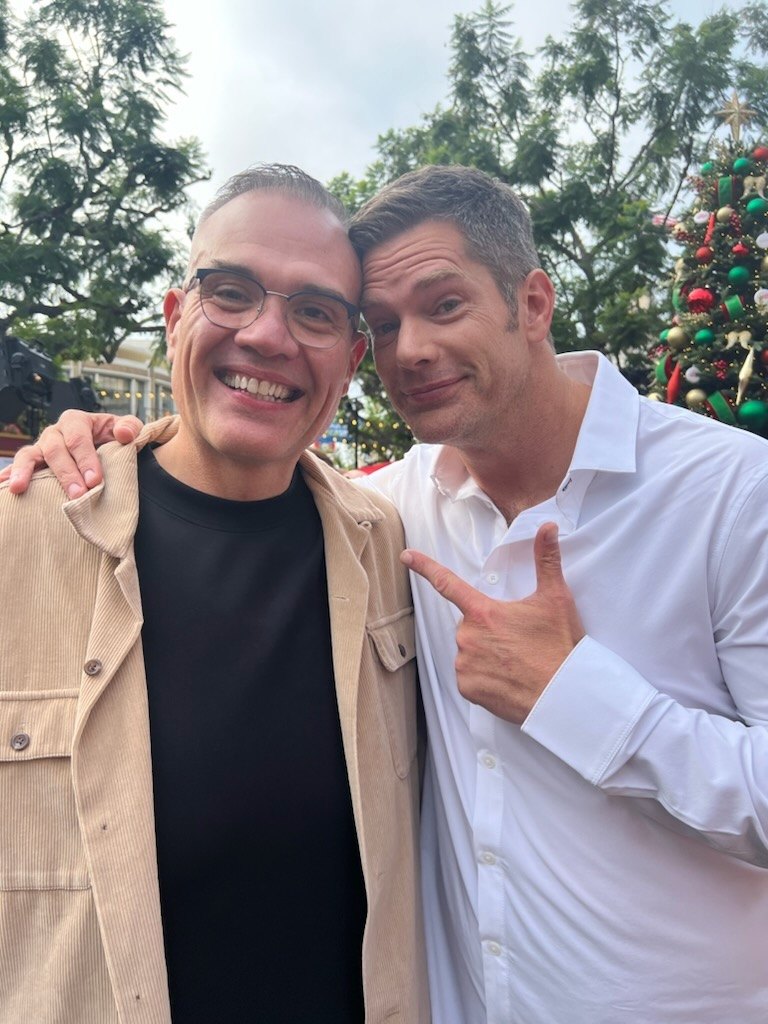
Dallas Jenkins
Director; creator of The Chosen
The Best Christmas Pageant Ever, co-written by Platte
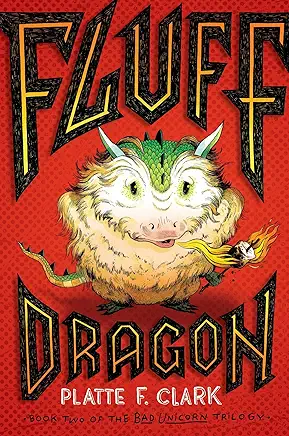
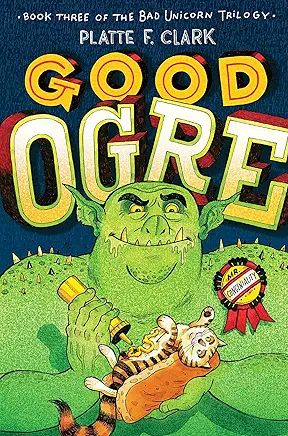
On the Bad Unicorn trilogy
“Clark's original settings and characters are fresh and new and are filled with wildly imaginative dialogue and pithy humor.” Deseret News
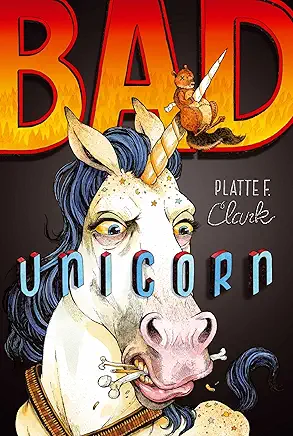
Bad Unicorn
Bad Unicorn Trilogy, Book 1
“Rollicking urban fantasy.” School Library Journal
Stay in the Story
Notes on building stories that move people to act.
Sent when there is something worth sending. Unsubscribe in one click.
The Podcast
The Author Unknown Podcast
An insider's look at the belief architecture hiding inside stories that move people.